
In England and Wales, pleural plaques that cause no symptoms do not qualify for compensation, following the House of Lords’ 2007 ruling in the Rothwell (Johnston) case. Scotland and Northern Ireland changed the law, so claims are possible there. Wherever you live, record your exposure history now: plaques prove exposure, and a later asbestos illness may be claimable.
At a glance
- England and Wales: symptomless pleural plaques are not “actionable damage”, so there is no civil claim for plaques alone (House of Lords, 17 October 2007).
- Scotland: the Damages (Asbestos-related Conditions) (Scotland) Act 2009 makes plaques an actionable personal injury. In force since 17 June 2009.
- Northern Ireland: the Damages (Asbestos-related Conditions) Act (Northern Ireland) 2011 does the same.
- Medically: plaques are not cancer, do not turn into other diseases, and usually cause no symptoms (Asthma + Lung UK).
- Why it still matters: plaques show you breathed in asbestos. If you later develop pleural thickening, asbestosis, lung cancer or mesothelioma, you may be able to claim for that condition anywhere in the UK.
What are pleural plaques?
Pleural plaques are areas of thickened tissue on the lining of the lungs (the pleura). According to Asthma + Lung UK, they appear 20 to 30 years after breathing in asbestos fibres. They are not the same as asbestosis, they are not a form of cancer, and they do not develop into more serious conditions. Most people have no symptoms. Very rarely, people have chest pain, a cough or breathlessness.
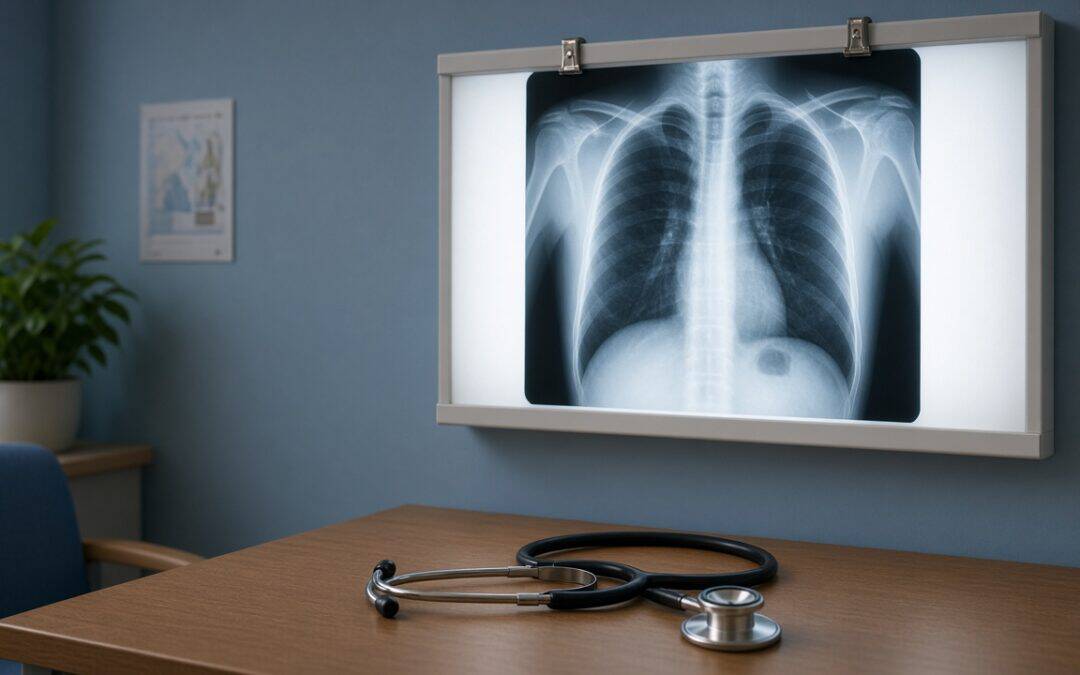
Plaques are usually found by chance on a chest X-ray or CT scan taken for another reason. They do not need treatment and cannot be removed. Being told you have them can still be frightening. It confirms that you were exposed to asbestos, and asbestos exposure carries a risk of mesothelioma, lung cancer and asbestosis.
Why you can’t claim for symptomless plaques in England and Wales
For years, people with pleural plaques in England and Wales could get modest compensation. That ended on 17 October 2007, when the House of Lords decided the case known as Rothwell v Chemical & Insulating Co Ltd (reported as Johnston v NEI International Combustion Ltd [2007] UKHL 39). The Law Lords ruled that symptomless pleural plaques do not give rise to a claim, because they are not damage or injury serious enough to found a claim in negligence. This summary of the ruling comes from the official Explanatory Notes to the Northern Ireland 2011 Act.
On 25 February 2010, the UK Government decided not to reverse the ruling in England and Wales. It did set up a one-off, extra-statutory scheme instead. The scheme paid £5,000 to people who had already started, but not settled, a pleural plaques claim before the October 2007 ruling. It ran from 1 August 2010 to 1 August 2011 and is now closed (same Explanatory Notes, paragraph 6).
So if you live in England or Wales and were exposed there, a diagnosis of plaques with no symptoms does not, on its own, lead to compensation today.
Pleural plaques compensation in Scotland
The Scottish Government announced on 29 November 2007 that it would legislate to reverse the Lords’ ruling. The result was the Damages (Asbestos-related Conditions) (Scotland) Act 2009. Section 1 says asbestos-related pleural plaques are “a personal injury which is not negligible” and therefore “constitute actionable harm” for a damages claim. The Act came into force on 17 June 2009. It also protects claims for symptomless pleural thickening and symptomless asbestosis.
The usual rules still apply. You need to show that the plaques were caused by negligent or wrongful exposure to asbestos, usually at work, and you must claim in time. In Scotland the general time limit for personal injury is three years (Prescription and Limitation (Scotland) Act 1973, section 17).
Pleural plaques compensation in Northern Ireland
Northern Ireland followed Scotland with the Damages (Asbestos-related Conditions) Act (Northern Ireland) 2011. Section 1 states that asbestos-related pleural plaques are a personal injury that “constitutes actionable damage”. According to the Explanatory Notes, the Act restores plaques as a claimable condition and protects claims for symptomless pleural thickening and asbestosis. It does not change how much compensation is paid. Where a claim succeeds, damages can include sums for anxiety and for the risk of the condition getting worse.
What is the average payout for pleural plaques?
We don’t publish an “average payout” for pleural plaques, because there isn’t a reliable official figure to quote. In Scotland and Northern Ireland, the value of a plaques claim depends on the medical evidence, your age and the risk of future disease. Some claims settle on a provisional basis, which leaves the door open to go back to court if a more serious asbestos condition develops later. A specialist solicitor can explain which option suits your case. For figures on the conditions that are claimable across the UK, see our guide to asbestos compensation amounts in 2026.
Pleural plaques, pleural thickening and asbestosis: the difference
- Pleural plaques: localised patches on the lung lining. Usually no symptoms. Not claimable on their own in England and Wales.
- Diffuse pleural thickening: wider scarring of the lung lining that can restrict breathing. It is a recognised injury that can lead to a claim across the UK. Read more about pleural thickening claims.
- Asbestosis: scarring of the lung tissue itself, causing breathlessness. See asbestosis compensation claims.
- Mesothelioma: a cancer linked to asbestos. See our mesothelioma claims page.
If you have plaques and you are getting breathless, ask your doctor whether something else is going on. Breathlessness is rare with plaques alone, and it can be a sign of pleural thickening or asbestosis, which may be claimable wherever you live.
What to do after a pleural plaques diagnosis
- Ask for a copy of the scan report and keep it somewhere safe.
- Write down your exposure history now, while you remember it: employers, sites, dates, job titles, what you handled, and the names of colleagues. Asbestos diseases can appear decades later, and firms close down. Our guide to secondary asbestos exposure covers exposure through a family member’s work clothes.
- Stop smoking if you smoke. Asthma + Lung UK says this is the best thing you can do to reduce your risk of asbestos-related conditions.
- Report new symptoms promptly, such as breathlessness, chest pain, a cough that won’t go away, or weight loss you can’t explain.
- Check where your claim would be heard. If you live, or were exposed, in Scotland or Northern Ireland, you may be able to claim for the plaques now. Get advice quickly because time limits apply.
Diagnosed with plaques and getting breathless, or exposed in Scotland or Northern Ireland? Tell us on the free Quick Claim Form. We’ll check whether a specialist asbestos solicitor on our panel can take your case on a no win, no fee basis.
Frequently asked questions
Can I claim for pleural plaques in England?
Not for symptomless plaques alone. The House of Lords ruled in October 2007 that they are not actionable damage, and the Government chose not to reverse that in England and Wales. The £5,000 scheme for people with claims already under way closed on 1 August 2011.
Can I claim for pleural plaques in Scotland or Northern Ireland?
Yes, potentially. The Scotland Act 2009 and the Northern Ireland Act 2011 both make asbestos-related pleural plaques an actionable personal injury. You still need to show negligent exposure and claim within the time limit.
Are pleural plaques the same as pleural thickening or asbestosis?
No. Plaques are localised patches that usually cause no symptoms. Diffuse pleural thickening and asbestosis can restrict breathing, and they can be claimed for across the UK.
Do pleural plaques turn into cancer?
No. Asthma + Lung UK says plaques are not a form of cancer and do not develop into more serious conditions. But the asbestos exposure behind them does carry a risk of mesothelioma and lung cancer.
What should I do after a pleural plaques diagnosis?
Keep your scan report, write down your full exposure history, stop smoking if you smoke, and report any new breathing symptoms to your GP.
Can I claim if I have plaques and breathlessness?
Plaques themselves rarely cause breathlessness. If you are breathless, ask for tests. If you are diagnosed with pleural thickening or asbestosis, you may be able to claim for that condition, including in England and Wales.
This guide is general information, not legal advice. Last checked against legislation.gov.uk and Asthma + Lung UK on 22 October 2026.
Recent Comments